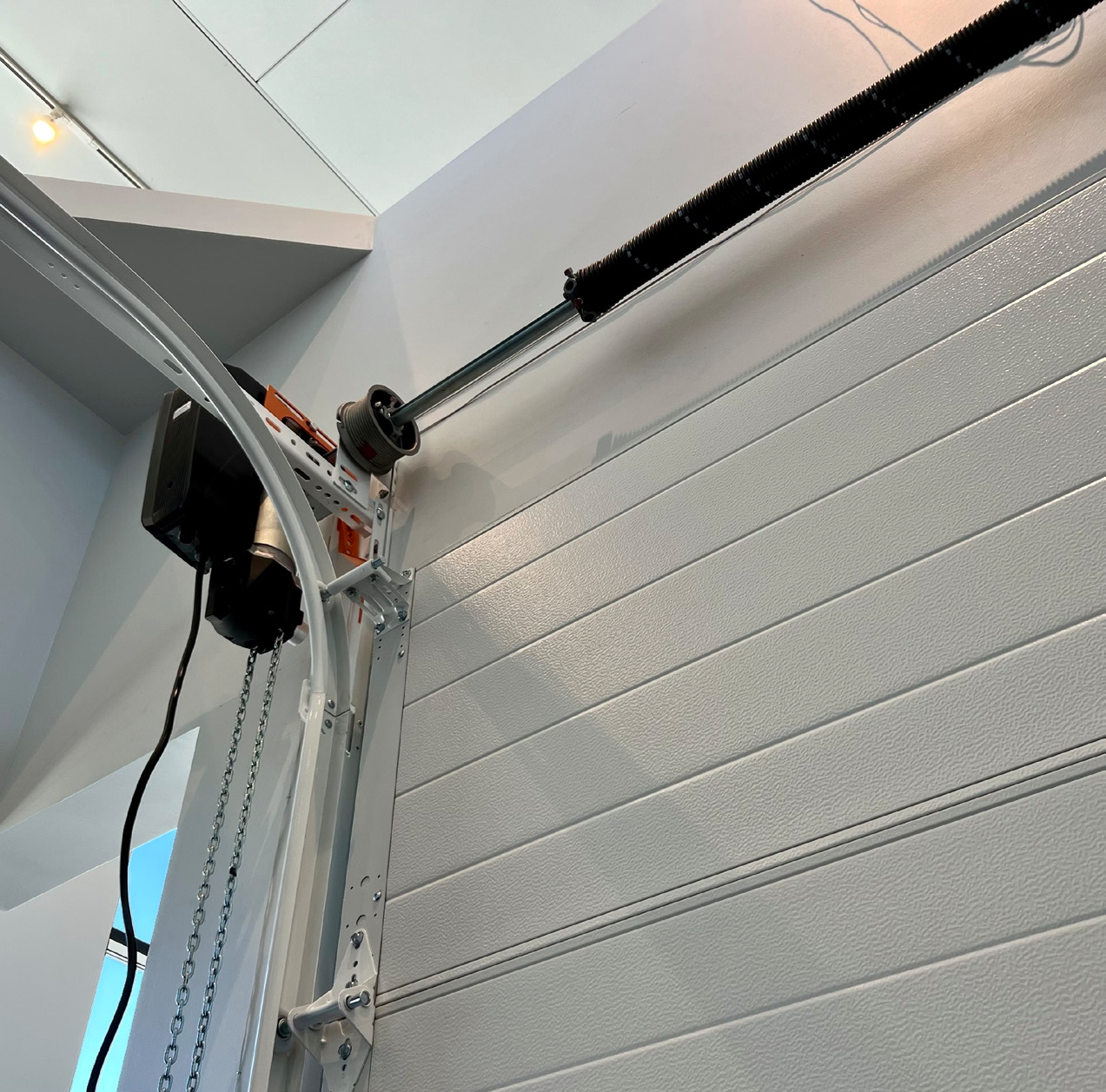
A commercial door is a mechanical system, not just a slab of steel or aluminum. Like any piece of heavy-duty machinery, it has a finite lifespan. While GDB Group advocates for rigorous maintenance, there comes a point where “nursing” an old door costs more in labor, energy, and risk than a full replacement.
Knowing when to pull the trigger on a new door system is key to maintaining a secure, efficient facility. Here are the clear indicators that your current system has reached the end of the road.
1. Structural Integrity and “Telegraphing”
If the door leaf itself is warping, delaminating, or showing signs of “telegraphing” (internal reinforcements pushing through the skin), the structural core is compromised.
-
The GDB Insight: A door that won’t hang square in the frame creates a domino effect—destroying hinges and burning out closers. If the “bones” are bad, a repair is just a temporary bandage.
2. Frequency of “Nuisance Repairs”
Track your maintenance spend over the last 12 months. If you are calling a technician every 60 days for the same opening, you aren’t maintaining equipment—you’re subsidizing a failure.
-
The Cost Metric: When the annual repair cost exceeds 40% of a new installation’s price, the ROI shifts heavily in favor of replacement. Modern high-traffic systems are built for millions of cycles with far lower internal friction.
3. Compliance and ADA Violations
Building codes and ADA (Americans with Disabilities Act) requirements evolve. An older door may lack the opening force requirements or the proper “clear width” for modern compliance.
-
The Liability Risk: If an inspection reveals your doors require too much force to operate or don’t meet fire-rating standards, the potential fines and legal exposure far outweigh the cost of a compliant GDB Group solution.
4. Excessive Energy “Bleed”
In a climate-controlled facility, an old door is often the largest source of thermal loss. If you can see daylight around the edges despite new seals, or if the door’s internal insulation has settled and crumbled, you are literally heating the outdoors.
-
The Upgrade: Moving to a thermally broken frame or an insulated core can provide a measurable reduction in monthly utility overhead.
5. Obsolete Hardware
If your door uses “legacy” hardware, locks, strikes, or closers that are no longer manufactured, finding replacement parts becomes a scavenger hunt that leads to extended downtime.
-
The Solution: Upgrading to a modern system ensures that replacement components are off-the-shelf and readily available, keeping your facility’s downtime to a minimum.
The GDB Verdict: Invest in the Future of Your Facility
At GDB Group, we don’t just swap out doors; we evaluate the traffic patterns, security needs, and environmental factors of your specific site. A replacement is an opportunity to install a more dependable, lower-maintenance solution that protects your bottom line for the next decade.
Is your door a liability or an asset?
Don’t wait for a total failure to secure your perimeter. Contact GDB Group for a professional assessment of your entry systems and discover the long-term value of a high-performance upgrade.