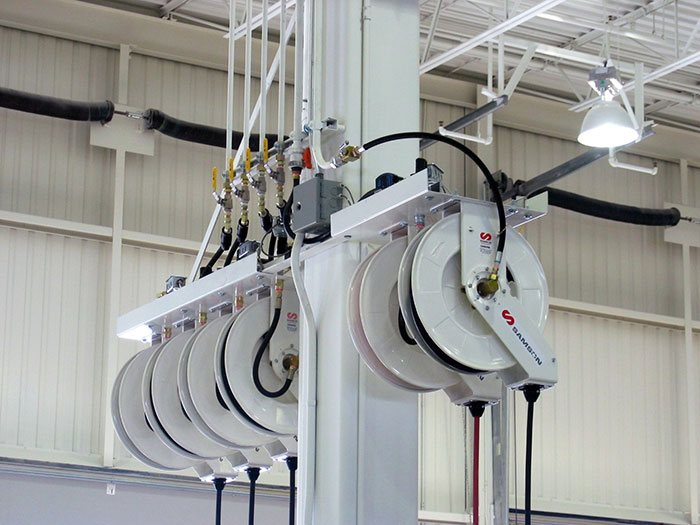
In a high-volume shop or industrial facility, your lubrication equipment is the lifeblood of your operation. But as any seasoned manager knows, it’s not just about having the right pumps and meters, it’s about ensuring that equipment stays compliant with industry standards and safety regulations.
At GDB Group, we believe in dependable solutions that eliminate guesswork. Compliance isn’t just a “check-the-box” activity; it’s a strategy to reduce liability, protect your team, and maximize uptime.
Why Compliance Matters for Your Bottom Line
Non-compliant equipment is a liability that manifests in three ways:
-
Safety Risks: Faulty pressurized lines or poorly maintained dispensing systems can lead to workplace accidents.
-
Environmental Penalties: Improper storage or leak-prone equipment can lead to EPA violations and costly cleanup fees.
-
Efficiency Loss: Outdated or non-calibrated equipment leads to fluid waste, directly impacting your margins.
Key Compliance Areas to Monitor
To keep your facility running at peak performance, focus on these three pillars of lubrication compliance:
- Accuracy and Calibration (Weights & Measures)
If you are billing customers for oil and fluids, your meters must be accurate. Many states require regular certification of dispensing meters to ensure “Weights and Measures” compliance.
-
The GDB Approach: We recommend precision-engineered meters that offer repeatable performance. Regular calibration checks prevent “shrinkage” and ensure you’re billing for exactly what you dispense.
2. Environmental and Storage Regulations (SPCC)
The EPA’s Spill Prevention, Control, and Countermeasure (SPCC) rule requires facilities to prevent oil spills from reaching navigable waters. This includes:
-
Secondary Containment: Ensuring tanks and drums have adequate berms or double-walled protection.
-
Proper Labeling: All lubrication equipment and storage must be clearly labeled to prevent cross-contamination and ensure proper handling.
3. Equipment Safety and Maintenance (OSHA)
OSHA standards require that all mechanical equipment be maintained in a safe operating condition. For lubrication, this means:
-
Hose and Fitting Integrity: Regularly inspecting high-pressure lines for frays or leaks.
-
Lockout/Tagout (LOTO): Ensuring your team follows strict safety protocols when servicing centralized lubrication systems.
Moving From Reactive to Proactive
Compliance shouldn’t be a hurdle; it should be a habit. The most efficient shops we partner with don’t wait for an inspection to fix a leak or calibrate a meter. They build these checks into their routine maintenance schedules.
The GDB Advantage
With nearly three decades of industry experience, GDB Group doesn’t just sell parts, we deliver turnkey solutions. Whether you’re setting up a new service pit or upgrading your fluid management system, we ensure your setup is built for performance, reliability, and long-term compliance.
Need an equipment audit?
Don’t wait for downtime to strike. Contact GDB Group today to discuss how we can help streamline your lubrication workflow and keep your facility compliant.